Get Conduit Installation
Conduit installation services help property owners run electrical, data, or communication cables through walls, floors, or ceilings, solving wiring challenges for various construction or renovation projects.
Property owners exploring conduit installation services often have practical reasons for considering this work. Whether upgrading existing electrical pathways, expanding infrastructure for new equipment, or ensuring compliance with safety standards, proper conduit installation can support the long-term functionality and safety of a property. Local contractors experienced in conduit work can provide tailored solutions that meet specific project needs, helping property owners plan effectively and make informed decisions about their electrical systems.
For those interested in comparing options within the area, connecting with reputable service providers can streamline the process of finding the right fit for their project. By exploring local conduit installation specialists, property owners gain access to a range of expertise and approaches, enabling them to evaluate services that align with their project goals. Keep reading to discover how local contractors can assist in planning and executing conduit installation projects efficiently and reliably.
- Commercial Buildings - businesses requiring conduit installation for their electrical systems.
- Residential Homes - homeowners needing conduit setup for new wiring or upgrades.
- Industrial Facilities - factories and warehouses installing conduit for heavy-duty electrical infrastructure.
- Renovation Projects - contractors seeking conduit installation during remodeling or expansion work.
- Outdoor Electrical Systems - properties installing conduit for outdoor lighting or security systems.
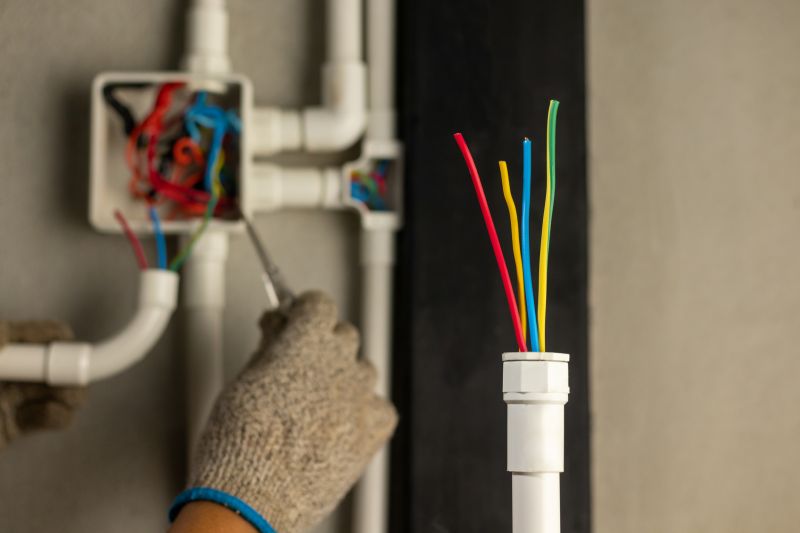
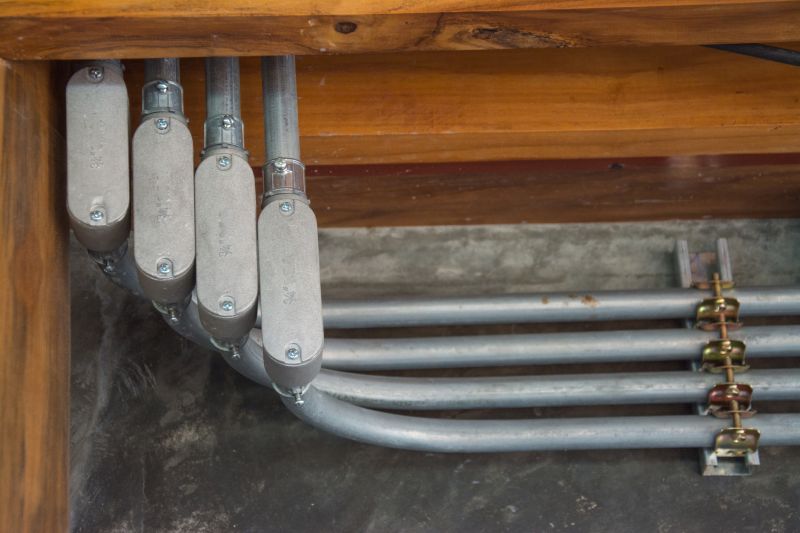
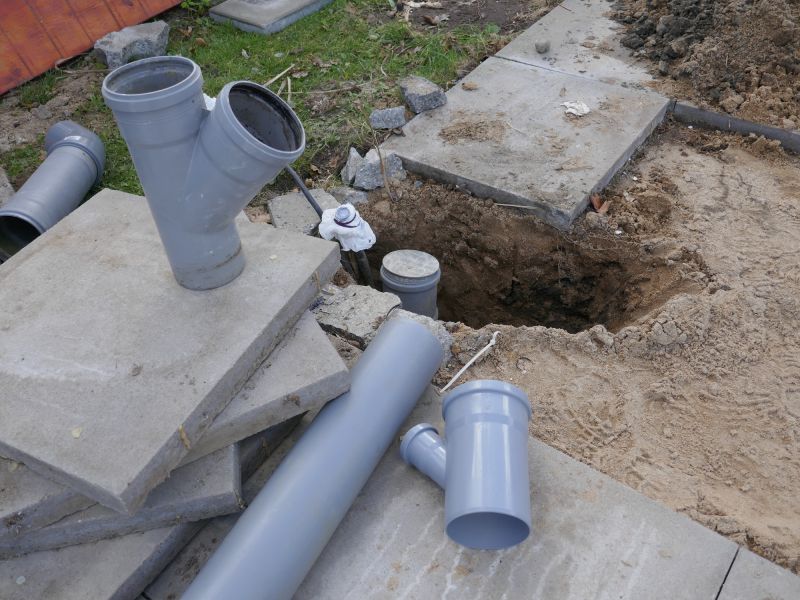
Conduit installation services involve setting up the electrical pathways that safely carry power throughout a property. This process typically includes planning the layout, running conduit pipes through walls, ceilings, or underground, and securing them in place to ensure a reliable electrical system. These services are essential when constructing new buildings, remodeling existing spaces, or upgrading outdated wiring to meet current safety standards. Skilled contractors ensure that conduits are properly installed to protect electrical wiring from damage and to facilitate future maintenance or upgrades.
This service helps address common electrical problems such as exposed wiring, inadequate protection for electrical cables, or systems that do not meet current safety codes. Improper wiring or conduit installation can lead to electrical hazards, including short circuits or fire risks. Conduit installation also helps prevent damage caused by pests, moisture, or physical impact, which can compromise electrical systems over time. By having a professional install conduits, homeowners can ensure their electrical infrastructure is safe, durable, and ready to support their electrical needs.
Properties that typically utilize conduit installation services include new residential homes, commercial buildings, and renovation projects for existing properties. Homes undergoing extensive remodeling often require new conduit pathways to accommodate additional outlets, lighting, or appliances. Commercial properties, such as offices or retail spaces, frequently need conduit systems to support complex electrical setups. Additionally, industrial facilities or properties with specialized electrical requirements may rely on conduit installation to ensure proper routing and protection of wiring in demanding environments.
Homeowners who experience frequent electrical issues, notice signs of damaged wiring, or are planning major renovations may find conduit installation services necessary. This work is also relevant when upgrading electrical systems to meet modern standards or expanding a property’s electrical capacity. By connecting with local contractors experienced in conduit installation, property owners can find solutions tailored to their specific needs, whether for new construction, upgrades, or repairs. These professionals can help ensure that electrical systems are safely and efficiently configured to support everyday use.
The overview below groups typical Conduit Installation projects into broad ranges so you can see how smaller, mid-sized, and larger jobs often compare in your area.
In many markets, a large share of routine jobs stays in the lower and middle ranges, while only a smaller percentage of projects moves into the highest bands when the work is more complex or site conditions are harder than average.
Smaller Repairs - Typical costs for minor conduit repairs or replacements often fall between $250 and $600. Many routine jobs in this range are straightforward and commonly handled by local contractors. Larger, more complex repairs can exceed this range but are less common.
Partial Replacement - Replacing sections of conduit usually costs between $1,000 and $3,000 depending on the length and complexity of the work. Many projects in this category are mid-sized and fall within this range, with fewer reaching the higher end.
Full System Replacement - Complete conduit system replacements often range from $3,500 to $8,000 or more. Larger, more intricate projects in this tier tend to push into higher costs, but many fall within the middle of this spectrum.
Large or Complex Installations - Extensive conduit installation projects can exceed $10,000, especially for commercial or multi-building setups. Such projects are less frequent and typically involve more planning and materials, leading to higher costs.
Actual totals will depend on details like access to the work area, the scope of the project, and the materials selected, so use these as general starting points rather than exact figures.
Electrical Wiring Projects - Installing complex electrical wiring systems for residential or commercial buildings involves skills similar to conduit installation, including planning, routing, and securing wiring pathways.
Data and Communication Cable Installation - Running data, internet, or phone cables requires precise planning and the ability to install conduits that protect and organize cables effectively.
Lighting Fixture Installation - Setting up lighting fixtures often involves working with electrical conduits to ensure safe and code-compliant wiring pathways.
Security System Wiring - Installing security sensors and cameras requires routing and securing wiring through existing conduits or creating new pathways, similar to conduit installation work.
Electrical Panel and Breaker Box Setup - Connecting panels and breakers involves conduit planning and installation to ensure proper electrical distribution and safety.
Commercial Building Electrical Fit-Outs - Large-scale electrical system installations in commercial spaces require conduit planning and installation skills for efficient and compliant wiring infrastructure.
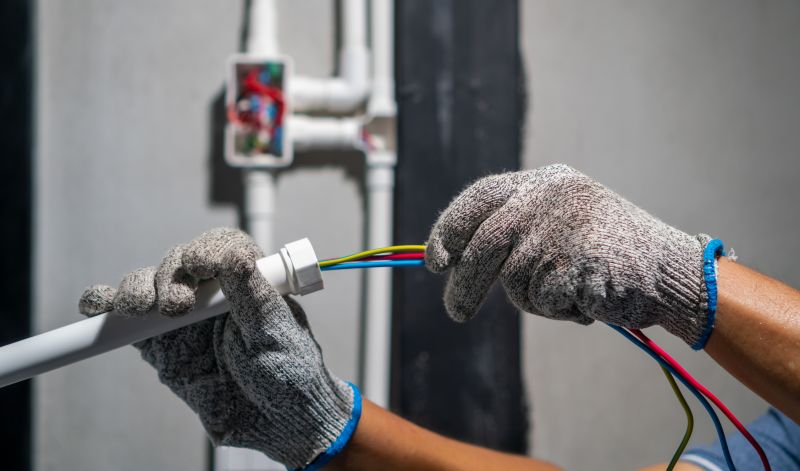
When comparing service providers for conduit installation, it’s important to consider their experience with similar projects. Homeowners should look for local contractors who have a proven track record of handling conduit installation tasks comparable in scope and complexity. This helps ensure that the contractor understands the specific requirements and challenges associated with the work, which can lead to a smoother process and a more reliable outcome. Checking how long a contractor has been performing conduit installation can also provide insight into their familiarity with best practices and industry standards.
Clear written expectations are essential when evaluating potential service providers. Homeowners should seek contractors who can provide detailed descriptions of the work scope, materials, and methods they plan to use. Having this information in writing helps prevent misunderstandings and sets a transparent foundation for the project. It also allows homeowners to compare proposals more effectively and ensure that all aspects of the installation are addressed upfront, fostering a more straightforward and predictable experience.
Reputable references and good communication are key indicators of a dependable local contractor. Homeowners are encouraged to ask for references from previous clients who had similar conduit installation work done. Listening to these experiences can reveal insights into the contractor’s reliability, professionalism, and quality of work. Additionally, effective communication throughout the process-such as prompt responses to questions and willingness to clarify details-can make the project more manageable and ensure that expectations are aligned. It’s important to remember that this site introduces homeowners to local options, not that it performs the work itself, so conducting thorough research on each service provider’s reputation and communication style is a valuable step in making an informed decision.
Property owners use Conduit Installation services for practical projects around their homes and businesses. This guide focuses on everyday jobs and straightforward project options.
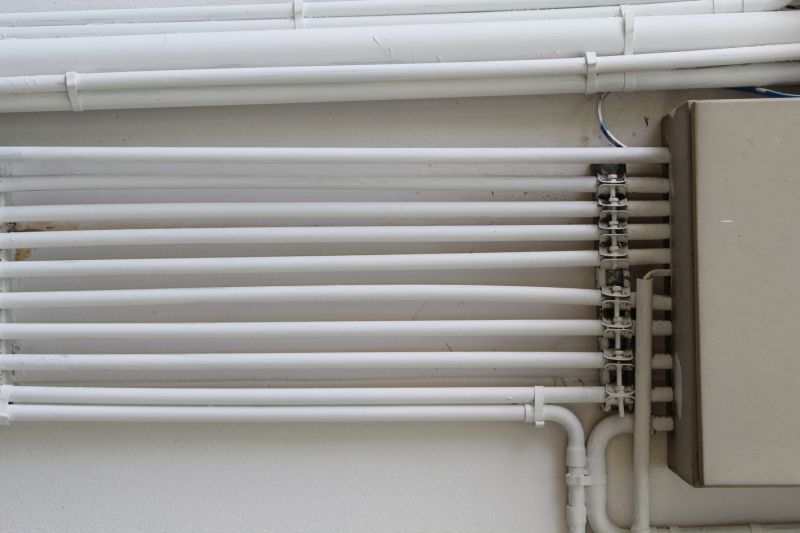
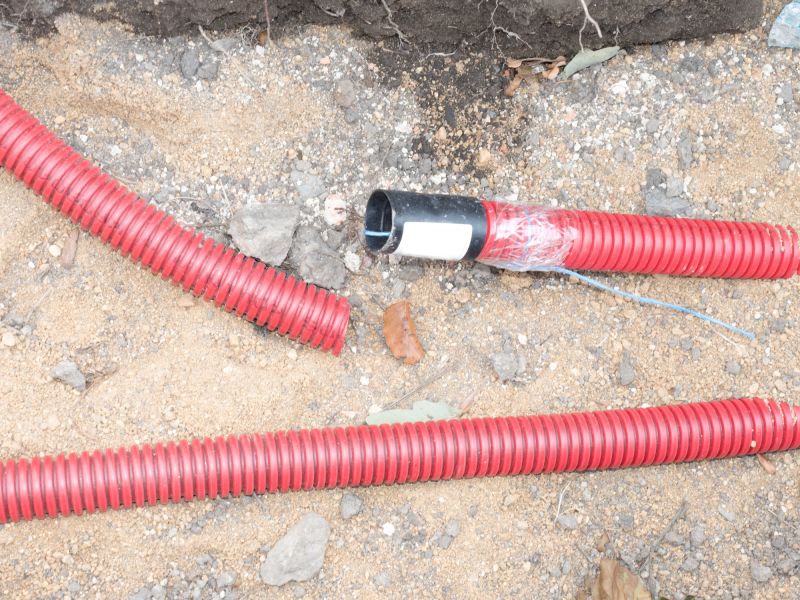
Conduit installation is a common project for property owners who are upgrading electrical systems, adding new outlets, or renovating their homes or businesses. Local contractors often handle these jobs when existing conduits need to be replaced or extended to meet new wiring demands. Property owners may seek professional conduit services to ensure that wiring is safely and properly routed, preventing future issues and maintaining compliance with local building standards.
Many property owners look for conduit installation when installing or upgrading outdoor lighting, security systems, or new appliances that require additional wiring. In some cases, conduit work is necessary to protect electrical cables from environmental damage or to improve the organization of complex wiring setups. Local service providers can assist with a variety of conduit needs, offering reliable solutions for both residential and commercial projects.
What is conduit installation? Conduit installation involves setting up protective tubing to route electrical wiring safely through a building or property.
Why should I consider conduit installation? Installing conduit helps protect electrical wires from damage, enhances safety, and organizes wiring for easier maintenance.
What types of conduit are available? Common types include PVC, metal, and flexible conduit, each suited for different applications and environments.
How do I find local contractors for conduit installation? You can contact service providers in your area who specialize in electrical conduit installation to compare options and connect with qualified professionals.
What should I ask a contractor before hiring for conduit installation? Inquire about their experience with conduit types, installation methods, and the scope of services they provide to ensure they meet project needs.
Conduit Installation for Home Upgrades - Property owners can enhance their electrical systems by having local contractors install conduits to support new wiring for appliances or lighting.
Outdoor Conduit Solutions - Installing conduits outdoors helps protect underground wiring for security cameras, landscape lighting, or outdoor outlets.
Renovation and Remodeling Projects - During home renovations, conduit installation ensures existing electrical systems are updated safely and efficiently.
Electrical System Expansion - Adding new circuits or outlets becomes easier with conduit installation, supporting growing electrical needs around the property.
If you are thinking about Conduit Installation for a property, this guide is meant to help you understand the work, the typical project types, and how different options might fit your plans.
When you are ready, you can use the quote form on this page to share a few details about your project. From there, local pros can review the basics and respond with options that match what you have in mind.